


Top 5 Essential Tips for Choosing the Right Tiny Home Model and Manufacturer for Lasting Satisfaction

by Cynthia Nevels, Founder of Tiny Renaissance Homes™ and author of Big Tiny Money™
Choosing a tiny home is more than just picking a small house. It’s about finding a space that fits your lifestyle, meets your needs, and brings you joy for years to come. Traveling to visit different tiny home models and manufacturers can give you a clearer picture of what works best for you. Seeing the homes in person helps you understand the quality, design, and functionality that photos and descriptions alone cannot convey. This guide shares five essential tips to help you select the right tiny home model and manufacturer, ensuring your investment leads to long-term happiness.
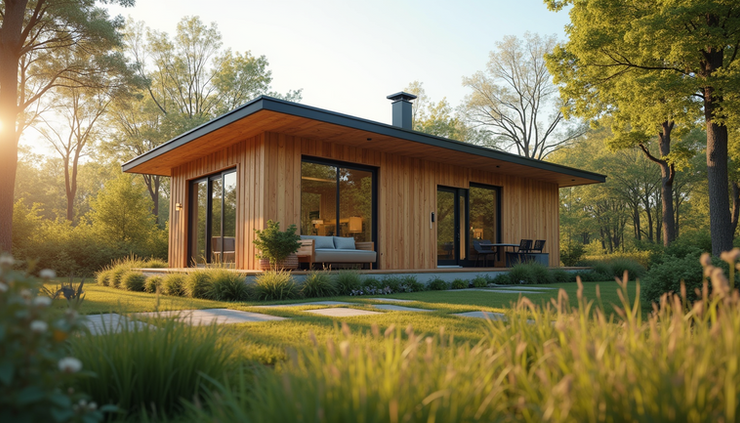
1. Visit Multiple Tiny Home Models to Compare Designs and Layouts
When deciding on a tiny home, seeing different models in person is invaluable. Each manufacturer offers unique designs, layouts, and finishes. Touring a variety of homes allows you to:
Experience space firsthand: Photos can be deceiving. Walking through a tiny home helps you understand how the space flows and feels.
Evaluate storage solutions: Storage is critical in tiny homes. Check how each model maximizes storage without cluttering the space.
Test functionality: Try out appliances, furniture, and fixtures to see if they meet your daily needs.
Visualize customization options: Some manufacturers allow more customization than others. Seeing models helps you decide what changes you want.
For example, one tiny home might have a loft bedroom with a ladder, while another uses a staircase with built-in storage. Visiting both helps you decide which suits your comfort and lifestyle better.

2. Research Manufacturer Reputation and Build Quality
The manufacturer you choose impacts your tiny home’s durability and your overall satisfaction. Look for companies with:
Strong customer reviews: Read testimonials and watch video tours from past buyers.
Transparent building processes: Reputable manufacturers share details about materials, construction methods, and timelines.
Warranty and support: Check if the company offers warranties and ongoing support after purchase.
Certifications and standards: Some manufacturers build to specific codes or certifications, which can affect safety and resale value.
For instance, a manufacturer using high-quality, sustainable materials and offering a two-year warranty provides peace of mind. On the other hand, a company with mixed reviews about delays or poor craftsmanship might cause frustration. I experienced some slight delays with my 30-day fix list post install. The labor shortage caused delay but once the technician arrived to patch up any cosmetic blemishes due to transport the unit was perfect.
3. Consider Your Lifestyle and Long-Term Needs
Your tiny home should fit your current and future lifestyle. Think about:
How many people will live there: Some models are better for singles or couples, while others accommodate small families.
Work and hobbies: If you work from home, look for models with dedicated office space or flexible layouts.
Mobility and location: Will you move your tiny home often? Choose a model designed for easy transport if needed.
Energy efficiency and utilities: Consider solar panels, water systems, and insulation for comfort and cost savings. I purchased Jackery back up solar power system and OGO compost toilets for all of my units to conserve water.

For example, a couple planning to start a family might want a tiny home with expandable space or a design that can be modified later. Someone who travels frequently may prioritize a lightweight, road-legal model.
4. Budget Wisely and Understand What’s Included
Tiny homes vary widely in price depending on size, materials, and features. When budgeting:
Get detailed quotes: Understand what the base price covers and what costs extra.
Include delivery and setup fees: Transporting and installing a tiny home can add significant expenses.
Plan for customization costs: Upgrades like premium appliances or custom cabinetry often increase the price.
Factor in ongoing costs: Utilities, maintenance, insurance, and property fees should be part of your budget.
For example, a manufacturer might advertise a tiny home starting at $50,000, but after adding delivery, permits, and upgrades, the total could reach $70,000. Knowing this upfront helps avoid surprises.
5. Build a Relationship with Your Manufacturer
Good communication with your manufacturer makes the process smoother and more enjoyable. When selecting a company:
Ask questions: Don’t hesitate to inquire about timelines, materials, or customization options.
Request references: Talking to past customers can reveal how the company handles challenges.
Visit the factory if possible: Seeing the building process builds trust and confidence.
Clarify contracts and warranties: Make sure you understand all terms before signing.
For example, a manufacturer who responds promptly and clearly to your questions shows professionalism and respect for your investment. This relationship can be crucial if you need support after purchase.
During my two-year research phase, I mastered all the tricks of the trade. I consulted with various custom and standard manufacturers before choosing and purchasing my tiny homes. I'm organizing a road trip for 5 guests to tour our properties, meet with my salesman to ask questions, and view homes in inventory for an up-close look at different models and price points. Additionally, guests will have early access to my new course, "Big Tiny Money," before it's available to the general public.
Register to join the road trip happening on Valentine's Day



I totally agree that visiting models in person is a game-changer—photos really can’t capture the actual craftsmanship and flow of a tiny home. Your emphasis on functionality over just looks is exactly what I’ve learned to prioritize too. By the way, I keep a free Satisfactory production calculator I like to share: https://satisfactorycalculator.net/
Great article! Choosing the right tiny home is such an important decision, and these tips are really helpful for avoiding costly mistakes.
On a different note, I’ve noticed that students in the UK who are studying technical or business-related courses often struggle with complex assignments. Many of them are now turning to professional Oracle Assignment Help UK services to get reliable support with their Oracle database projects and coursework. It makes a big difference when you get expert guidance on time.
Thanks for sharing these practical tips!
Dandy Hats is definitely worth checking out for anyone interested in stylish accessories. Hats are making a strong comeback in fashion, and having a brand that focuses specifically on them is great. The designs from Dandy Hats look elegant and versatile.
I liked reading the Tiny Renaissance Homes tips about visiting different tiny home models to see what space and layout fits you best, because seeing things in real life can make choices easier. It reminded me of a time I was stuck on a big essay and had to use law paper proofreading and editing service to fix my messy draft, and that help really kept me moving forward. It makes me think small details and honest feedback can change big decisions.
This post was very enjoyable and easy to connect with. I appreciate how it highlights the importance of feeling comfortable in your own space. That’s exactly why I liked The Young And The Restless 2026 Sharon Newman Tree Print Pajama Set; the tree print and soft design give off a very calm, home-friendly vibe.